In response to the murder of 50 Moslems by Brenton Tarrant last week, the Government has banned semi-automatic rifles in New Zealand – a decisive response to prevent any future loss of life with such weapons. Tarrant’s homicidal rampage was brought to an end after two police officers tracked him down fleeing from the Linwood mosque in his car. According to the police his intention was to continue his killing spree elsewhere.
By some strange coincidence, the two officers had been attending a training session earlier that day on how to stop armed offenders. They pursued Tarrant, rammed his car off the road and arrested him. The two officers deserve a medal for risking their lives and preventing further bloodshed.
79 deaths in police pursuits since 2008
 Generally, police pursuits in New Zealand do not involve such serious crimes or such dangerous offenders. Since January 2008, police have pursued over 30,000 fleeing drivers leading to hundreds of accidents and 79 deaths, nearly half of whom were innocent victims. The number of pursuits and the number getting killed is growing every year. But the reality is that the vast majority of the 30,000 offenders pursued by police posed almost no risk to the public – until the police started chasing them.
So many Kiwis are dying that police pursuit policy is almost permanently under review. Coincidentally, the same day that Tarrant went on his rampage, the IPCA completed its sixth review publishing a 143 page document: Fleeing Drivers in New Zealand.
The IPCA found that:
- 35% were stopped for a driving offence for which they would not have been arrested
- 15% were merely ‘suspected of offending’;
- 14% were stopped for ‘suspicious behaviour’;
- 9% stopped for an arrestable driving offence;
- 6% were simply routine stops.
The review recommended better training and more oversight for police but no change to the pursuit policy. Police Commissioner, Mike Bush, claimed the review relieved the police of any responsibility arguing…
“the review has shown that our staff generally manage fleeing driver events well…”

Police Minister Stuart Nash said the report showed there was no need for “wholesale changes” to police pursuit policy. Judith Collins and Mike Bush claim that when drivers flee, the police have no choice. They worry that if police don’t pursue, criminals will get away scot free and that more people will take off when apprehended. Collins argues that the police cannot “give over the roads to criminals?”
But research by the FBI has found that…
“if the police refrain from chasing all offenders or terminate their pursuits, no significant increase in the number of suspects who flee would occur.”
All the police have to do is take down the car’s registration and then pay the driver a visit first thing in the morning when the adrenaline rush is over. Only a quarter of pursuits involve stolen cars, so most of those who flee would still be caught.
Who’s the adult in the room?
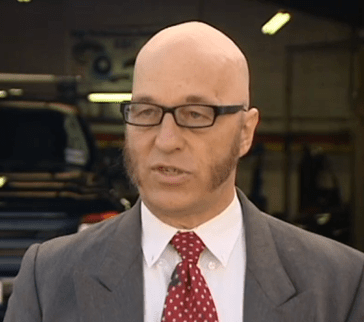
These dubious death-denying justifications by those responsible for police policy ignore some fundamental realities – that nearly half of the dead are teenagers and according to US research, 42% are innocent bystanders. Road safety campaigner, Clive Matthew-Wilson notes that it’s pointless expecting teenagers to behave sensibly when stopped by police. He says:
“The simple fact is: the part of the brain that allows an adult to make rational decisions doesn’t form properly until the early twenties. That’s why teenagers tend to make impulsive decisions that often end badly. Given that teenagers aren’t going to stop and think, it’s up to the cops to stop and think, instead of letting adrenaline rule their decision-making process.”
Australian road safety campaigner, John Lambert, agrees. He characterises police chases as…
“basically the most hazardous activity you could possibly undertake on roads legally… It’s a total contradiction for police to be engaging in them when they’re supposed to be improving road safety. The fatality rate for pursuits is 3,500 times higher than for normal travel.”
Police pursuits banned in Australia

In 2009, the Queensland state government banned all police pursuits unless there had been a murder or there was an imminent risk to life. Since this policy was introduced, not one person has died in a police pursuit. The Australian state of Victoria has a similar policy. The former head of road policing in Victoria, Doug Fryer, rejected the idea that the state’s cautious pursuit policy meant criminals ‘got away with it.’
“We would far prefer to drag an offender out of bed at six o’clock in the morning than try to drag them out of a car after a crash.”
If this policy had been in place in New Zealand, not one of the 79 people who have died since 2008 would have been pursued – because not one had committed a serious crime which justified the pursuit. These were unnecessary and totally avoidable deaths.
So who’s responsible?
Writing in The Spinoff last year, Toby Manhire agreed that police chases are inherently dangerous but went on to argue that…
“a rush to assign blame for deaths in police chases can only distort the important discussion around a pursuit policy that should put human life first.”
This not only minimises, it completely ignores, the contribution of the police to this carnage on our roads. We need to name, ‘blame’ and shame the police because it’s their policy that’s directly responsible for the pursuits that lead to these deaths.
The reality is that until the cause of the problem is correctly ‘named’, no one can be held to account. If we don’t specify and identify the problem – police pursuit policy – inevitably there will be more phony reviews leading to more platitudinous recommendations about better police training and oversight.
It’s a shame it took a massacre before the Government was persuaded to take decisive action on semi-automatic weapons. In the meantime, police pursue over 3,000 drivers a year – and 79 people have died. How big will this massacre be, and how long will it go on before the Government takes decisive action on that?


 What happened to the fundamental legal principle: Innocent until proven guilty? Perhaps Andrew Little is right – our justice system is broken – we lock up way too many people who have yet to be convicted of a crime. Isn’t that what third-world dictators, communist countries and authoritarian, anti-democratic regimes do?
 BROOKINGBLOG